Kicking off with Lubrication System Manufacturers, these key players are pivotal in ensuring industrial machinery runs smoothly and efficiently. They design and produce various lubrication systems that cater to diverse industrial applications, supporting everything from automotive to textile manufacturing.
As technology evolves, lubrication system manufacturers are also adapting, incorporating advanced materials and digital solutions that enhance performance and reliability. This exploration into the realm of lubrication systems reveals not only their critical role in maintenance and operational efficiency but also the exciting innovations shaping their future.
Overview of Lubrication System Manufacturers
Lubrication system manufacturers play a critical role in the efficiency and longevity of machinery across various industrial applications. They design and produce systems that ensure moving parts operate smoothly, reducing friction and wear. This sector has evolved significantly over the years, influenced by technological advancements and the growing need for reliable and efficient solutions.The primary responsibility of lubrication system manufacturers is to create systems that deliver the right amount of lubricant to machinery, optimizing performance and minimizing breakdowns.
There are several types of lubrication systems available in the market, each designed to meet specific operational requirements.
Main Types of Lubrication Systems
Understanding the various lubrication systems is essential for selecting the right one for specific applications. The main types include:
- Manual Lubrication Systems: These require human intervention to apply lubricant at scheduled intervals. They are simple and cost-effective, suitable for small machinery.
- Automatic Lubrication Systems: These systems dispense lubricant automatically according to precise schedules, significantly reducing manual labor and ensuring consistent lubrication.
- Centralized Lubrication Systems: A system where a single pump distributes lubricant to multiple points in machinery, often used in larger industrial setups for efficiency.
- Grease Lubrication Systems: These utilize grease as a lubricant, ideal for high-load applications where oil might be too thin.
- Oil Lubrication Systems: These systems use various types of oils, providing excellent cooling properties and are often found in high-performance engines and machinery.
Technological advancements have significantly transformed lubrication system manufacturing, making systems smarter and more efficient. For instance, the integration of IoT (Internet of Things) technology enables real-time monitoring and control of lubrication processes. This leads to more efficient resource management and predictive maintenance, ultimately reducing downtime and operational costs.
“The future of lubrication systems lies in smart technology, driving sustainability and efficiency in industrial operations.”
Another notable advancement is the development of environmentally friendly lubricants and biodegradable options, catering to the increasing demand for sustainable practices. Manufacturers are continuously innovating to meet these demands, ensuring that lubrication systems not only enhance performance but also comply with environmental regulations.
Employment and Work in Lubrication System Manufacturing
The lubrication system manufacturing sector offers a diverse array of job opportunities that cater to various skill sets and expertise. As the industry continues to evolve with advancements in technology and increasing demand for efficient machinery, the range of roles available is expanding. Professionals in this field play a crucial part in ensuring that machines operate smoothly and efficiently, contributing significantly to various industries.One of the most critical aspects of lubrication system manufacturing is the variety of job roles that exist, each with specific responsibilities that contribute to the overall success of the organization.
These roles can range from engineering and manufacturing to sales and technical support.
Job Roles and Responsibilities
Understanding the key job roles within lubrication system manufacturers is essential for anyone considering a career in this field. Here are some prominent positions and their respective responsibilities:
- Mechanical Engineer: Focuses on the design and development of lubrication systems, ensuring they meet performance standards and regulatory requirements.
- Production Technician: Responsible for assembling lubrication systems and performing quality control checks to ensure products meet specifications.
- Quality Assurance Specialist: Ensures that all products are manufactured in compliance with industry standards and conducts testing to verify performance.
- Sales Engineer: Works to promote lubrication systems to potential clients, providing technical support and answering customer inquiries regarding product capabilities.
- Field Service Technician: Provides on-site support and maintenance for lubrication systems, troubleshooting issues and ensuring optimal performance for clients.
Each of these roles requires a unique set of skills and qualifications.
Skills and Qualifications
To excel in the lubrication system manufacturing sector, specific skills and qualifications are essential. Here’s a brief overview of what is typically required:
- Technical Knowledge: A strong understanding of mechanical systems, fluid dynamics, and lubrication principles is crucial for engineers and technicians.
- Problem-Solving Skills: The ability to troubleshoot and resolve issues efficiently is vital, particularly for service technicians and engineers.
- Attention to Detail: Quality assurance roles require meticulous attention to detail to ensure products meet the necessary standards.
- Communication Skills: Effective communication is essential for sales engineers and customer service representatives to convey technical information clearly to clients.
- Educational Background: Most roles require a degree in engineering or a related field, with certifications in specific lubrication technologies enhancing employability.
As the lubrication system manufacturing industry progresses, it’s important to recognize workforce trends and opportunities.
Trends in Workforce Demand
The lubrication system manufacturing sector is witnessing a shift in workforce demand driven by advancements in technology and an increasing focus on sustainability. Companies are investing in automation and smart technologies, which creates a need for skilled professionals who can work with advanced systems. Additionally, the rise of electric and hybrid vehicles is leading to a growing need for innovative lubrication solutions, thereby expanding job opportunities.
Data from industry reports indicate a projected growth rate of over 4% in this sector over the next decade, reflecting the increasing reliance on efficient lubrication systems across various industries, including automotive, aerospace, and manufacturing.Companies are also emphasizing the need for continuous training and development to keep up with technological advancements, creating opportunities for professionals to enhance their skills and advance their careers within the lubrication system manufacturing industry.
Management Practices in Lubrication System Manufacturing
In the competitive landscape of lubrication system manufacturing, effective management practices are essential for enhancing productivity, ensuring quality, and maintaining a streamlined supply chain. Manufacturers must employ strategic methodologies that not only boost operational efficiency but also align with their long-term business goals.One of the core aspects of management in this sector involves implementing effective strategies that streamline manufacturing processes.
Embracing lean manufacturing principles can significantly reduce waste and improve workflow. For example, by adopting a Just-In-Time (JIT) inventory system, manufacturers can minimize storage costs and ensure that materials are available precisely when needed, leading to enhanced operational efficiency.
Supply Chain Management in Lubrication Systems
Effective supply chain management is critical in lubrication system manufacturing, as it influences the overall production cycle and customer satisfaction. A well-organized supply chain ensures timely delivery of components and raw materials, which is vital for maintaining production schedules.To illustrate, consider a lubrication system manufacturer that collaborates with multiple suppliers. By employing a vendor-managed inventory (VMI) system, this manufacturer allows suppliers to monitor stock levels and automatically replenish components as needed.
This proactive approach minimizes downtime and ensures a consistent supply of necessary parts, ultimately improving the responsiveness of the manufacturing process.
Quality Control Measures for Lubrication System Manufacturers
Quality control is paramount in the manufacturing of lubrication systems due to the critical role these systems play in industrial and automotive applications. Rigorous quality assurance protocols help ensure that products meet industry standards and customer expectations.Implementing a Total Quality Management (TQM) approach can significantly enhance product quality and operational efficiency. This involves continuous improvement processes and active participation from all employees in quality initiatives.
For instance, manufacturers may establish quality control checkpoints at various stages of the production line, where products are inspected for defects. By systematically identifying and addressing quality issues, manufacturers can reduce rework and scrap rates.Another key element of quality control is compliance with international standards, such as ISO 9001. Achieving certification not only bolsters a manufacturer’s reputation but also streamlines processes through standardized practices.
This level of commitment to quality can improve customer trust and open new market opportunities.In summary, effective management practices in lubrication system manufacturing encompass strategic approaches to enhance productivity, robust supply chain management, and stringent quality control measures. Implementing these practices can lead to significant improvements in operational success and market competitiveness.
Industrial Goods and Services Related to Lubrication Systems
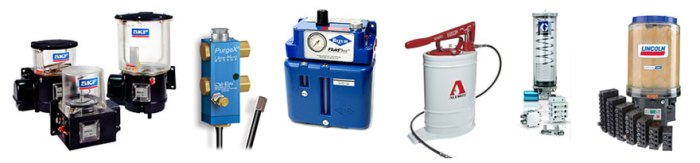
Lubrication systems play a crucial role in various industrial applications, ensuring optimal performance and longevity of machinery. The integration of lubrication systems with other industrial goods enhances operational efficiency and reduces maintenance costs. Understanding the relationships and services associated with these systems can empower businesses to make informed decisions in their manufacturing processes.The relationship between lubrication systems and other industrial goods is essential for maintaining equipment health and ensuring smooth operations.
Lubrication systems often work in conjunction with machinery such as pumps, motors, and compressors. For instance, proper lubrication minimizes friction and wear between moving parts, which can prolong the life of components and improve energy efficiency. This interconnectedness highlights the importance of selecting the right lubrication solution tailored for specific industrial applications.
Services Offered by Lubrication System Manufacturers Post-Purchase
Post-purchase support is a critical aspect of the lubrication system manufacturing industry. Manufacturers typically offer a range of services that ensure customers can maximize the value of their lubrication systems. These services include:
- Installation Assistance: Many manufacturers provide on-site support during the installation of lubrication systems to ensure proper setup and functionality.
- Maintenance Services: Regular maintenance and inspections are offered to prolong the life of lubrication systems and prevent costly breakdowns.
- Training Programs: Manufacturers often conduct training for staff on the operation and maintenance of lubrication systems, ensuring safe and efficient use.
- Technical Support: Ongoing technical support is available to address any operational issues or questions that may arise after purchase.
- Upgrades and Modifications: Manufacturers provide options for upgrading existing systems to enhance performance or adapt to new technological developments.
The role of lubrication systems in maintenance and operational efficiency cannot be overstated. Effective lubrication reduces friction, heat generation, and wear in mechanical systems, which translates into lower operational costs and increased productivity. Regularly serviced lubrication systems contribute to improved machine reliability and reduced downtime, allowing businesses to operate smoothly and efficiently.
“Investing in proper lubrication systems is investing in the longevity and efficiency of your machinery.”
In addition, proper lubrication management can lead to significant energy savings. For example, studies have shown that optimal lubrication practices can reduce energy consumption by up to 10% or more, depending on the application. This not only lowers energy costs but also contributes to a more sustainable operational model. Overall, the integration of lubrication systems and related industrial goods is a vital component of modern manufacturing and maintenance strategies.
Understanding the services offered by manufacturers and the role of lubrication in operational efficiency can provide companies with a competitive edge in their respective industries.
Innovation in Publishing and Printing for Lubrication Systems
Manufacturers in the lubrication system sector are increasingly leveraging innovative publishing and printing techniques to enhance their marketing efforts. Traditional methods are evolving, allowing companies to better engage with their target audiences and present their products in a more compelling manner. This shift not only emphasizes the application of innovative technologies but also highlights the importance of effectively communicating the benefits of lubrication systems.To effectively promote their products, lubrication system manufacturers create a variety of marketing materials that serve different functions.
These materials not only inform potential clients but also help in establishing brand identity. Examples of materials produced for lubrication systems include:
Printed and Digital Marketing Materials
The range of materials used by lubrication system manufacturers is extensive, spanning both printed and digital formats. Each serves a unique purpose in showcasing product features and benefits. Here are the key examples:
- Brochures: Detailed brochures provide comprehensive information about lubrication systems, including specifications, applications, and advantages. These are often distributed at trade shows and industry events.
- Catalogs: Product catalogs not only list various lubrication systems but also include pricing, options, and compatibility details, making them essential resources for potential buyers.
- Technical Datasheets: These sheets present in-depth technical information, including performance metrics and installation guidelines, targeting engineers and technical decision-makers.
- Case Studies: Success stories featuring real-world applications of lubrication systems help build credibility and demonstrate practical benefits, often highlighting cost savings and efficiency gains.
- Digital Content: E-books, webinars, and whitepapers provide in-depth insights and knowledge-sharing opportunities, establishing manufacturers as thought leaders in the lubrication sector.
The advent of digital media has revolutionized the marketing strategies employed by lubrication system manufacturers. Information can now be disseminated rapidly and efficiently, creating opportunities for real-time engagement with customers. The impact of digital media includes:
Impact of Digital Media on Marketing Strategies
Digital media enables lubrication system manufacturers to reach a broader audience through various online platforms. This shift has transformed how products are marketed and how customers interact with brands.
- Social Media Marketing: Engaging content on platforms like LinkedIn, Facebook, and Instagram allows manufacturers to connect with professionals and consumers alike, showcasing innovations and applications of their lubrication systems.
- Email Campaigns: Targeted email marketing allows manufacturers to directly reach potential customers with personalized messages, product updates, and promotions.
- Search Engine Optimization (): Enhancing online visibility through strategies helps manufacturers attract more organic traffic to their websites, making them easily discoverable by customers seeking lubrication solutions.
- Web Analytics: Using analytics tools provides valuable insights into customer behavior and preferences, enabling manufacturers to tailor their marketing efforts and optimize their strategies for better engagement.
- Interactive Content: Tools like quizzes, calculators, and product configurators engage users directly, creating a more personalized experience that can lead to higher conversion rates.
By capitalizing on innovative publishing and printing techniques, along with the vast potential of digital media, lubrication system manufacturers are not only enhancing their marketing strategies but also ensuring that their products are effectively communicated to the market.
Telecommunications in Lubrication System Industries
Telecommunications play a pivotal role in the operational processes of lubrication system manufacturers. In a sector where precision and efficiency are critical, seamless communication and reliable data exchange drive productivity and enhance overall performance. As lubrication systems increasingly rely on advanced technology, effective communication tools are essential for ensuring smooth operations, both internally and externally.The integration of telecommunications in lubrication system manufacturing is increasingly vital for optimized operations.
By implementing sophisticated software and communication tools, manufacturers can effectively manage the entire lifecycle of lubrication systems, from design and production to distribution and customer support. These tools enable real-time monitoring of systems and processes, facilitating prompt decision-making and minimizing downtime.
Role of Software and Communication Tools
In lubrication system manufacturing, various software and communication tools play a crucial role in streamlining operations. These technologies assist in inventory management, scheduling, and quality control. They also allow for effective coordination among teams, ensuring that problems can be addressed swiftly.For instance, enterprise resource planning (ERP) software helps manufacturers manage resources efficiently, improving production planning and forecasting. Additionally, project management tools enhance collaboration among departments by providing a platform for sharing updates, documents, and timelines.Moreover, the use of customer relationship management (CRM) systems enables manufacturers to maintain strong relationships with clients.
By having access to customer data and communication histories, companies can offer personalized services, ensuring that customer needs and concerns are addressed promptly.
Advancements in Telecommunications and Customer Service
Recent advancements in telecommunications have significantly improved customer service in the lubrication system industry. Enhanced connectivity allows for constant communication between manufacturers and customers, enabling quicker responses to inquiries and issues. These advancements include the use of mobile applications that allow customers to monitor their lubrication systems, access support resources, and even request service appointments directly from their smartphones. The introduction of chatbots and AI-driven customer support platforms has further expedited responses, allowing for 24/7 assistance.Additionally, remote monitoring capabilities ensure that manufacturers can proactively address maintenance issues before they escalate into major problems.
For example, by utilizing IoT (Internet of Things) technologies, lubrication systems can send real-time data back to manufacturers, who can then analyze the information to provide timely support.The integration of these telecommunications advancements not only enhances operational efficiency but also fosters a customer-centric approach, promoting loyalty and satisfaction in an increasingly competitive market.
Textiles and Nonwovens in Lubrication System Applications
In the textile manufacturing industry, lubrication systems play a crucial role in ensuring machinery operates smoothly and efficiently. These systems not only enhance the performance of textile machinery but also prolong the lifespan of equipment by minimizing wear and tear. The integration of lubrication systems in textile production is essential for maintaining high productivity levels and achieving optimal fabric quality.Lubrication systems are integrated throughout various stages of the textile manufacturing process, from spinning and weaving to finishing and dyeing.
Each stage requires specific lubrication solutions tailored to the unique demands of the machinery involved. The lubrication requirements for textile machinery often vary based on the type of equipment and the materials being processed. For example, spinning machinery may require lubricants that can withstand high temperatures and resist oxidation, while weaving machines might need lubricants that provide excellent film strength and reduce friction.
Specific Lubrication Requirements for Textile Machinery
Different textile machinery has distinct lubrication needs to ensure optimal performance. Understanding these requirements is essential for manufacturers to maintain machinery efficiency and reliability. Below are some key factors to consider:
- Viscosity: The viscosity of the lubricant must be suitable for the operating speeds and temperatures of the machinery. For instance, high-speed spinning frames require lower viscosity oils to reduce drag and allow for better flow.
- Temperature Resistance: Lubricants used in high-temperature applications, such as dyeing machines, must remain stable and effective under elevated temperatures to prevent breakdown and ensure consistent performance.
- Water Resistance: Many textile processes involve moisture, thus requiring lubricants that can repel water and maintain their properties even in humid conditions.
- Compatibility: The lubricant must be compatible with the materials used in the machinery and not cause any adverse reactions that could damage the equipment or the fabric being processed.
Examples of Lubrication Products Designed for Nonwoven Fabric Machinery
In the production of nonwoven fabrics, specialized lubrication products are designed to meet the unique demands of the machinery used. These products help ensure smooth operation and reduce maintenance costs. Some examples include:
- High-performance Synthetic Oils: These oils are designed for use in carding machines and provide excellent lubrication and low friction, improving the efficiency of fiber processing.
- Greases for Roller Bearings: Specific greases formulated for nonwoven fabric machinery offer superior adhesion and resistance to water, making them ideal for bearings that operate in wet conditions.
- Specialized Lubricants for Hot Air Bonding: Lubricants used in hot air bonding processes must withstand high temperatures without breaking down, ensuring continuous operation and reducing the risk of equipment failure.
Incorporating the right lubrication systems and products in textile and nonwoven fabric applications is vital to enhance machine performance, reduce downtime, and foster efficient production processes.
Business Creation and Development within Lubrication Systems
Starting a business in the lubrication systems sector is an exciting venture that combines technical knowledge with market demand. This area is pivotal for various industries including automotive, manufacturing, and aerospace, where effective lubrication is essential for operational efficiency. Entrepreneurs looking to capitalize on this need must navigate a well-structured approach to launch and grow their businesses.The process of launching a lubrication systems business involves several strategic steps that enable potential entrepreneurs to transform their ideas into successful enterprises.
Understanding the market landscape, evaluating competition, and establishing a unique value proposition are critical.
Steps Involved in Launching a Business Focused on Lubrication Systems
To successfully launch a lubrication systems business, it’s imperative to follow a structured process. Here are the key steps involved:
1. Identify Your Niche
Determine which specific area of lubrication systems you want to focus on, such as automotive, industrial, or specialty lubricants.
2. Conduct Market Research
Analyze industry trends and customer needs to identify gaps in the market.
3. Develop a Business Plan
Artikel your business model, target audience, pricing strategy, and marketing plan.
4. Secure Funding
Explore options for financing your startup, which may include loans, investors, or personal savings.
5. Register Your Business
Ensure that you comply with local regulations and obtain necessary licenses.
6. Source Suppliers and Partners
Establish relationships with manufacturers and distributors of raw materials and components.
7. Create Your Brand
Develop branding materials and build an online presence through a professional website and social media.
Market Research Techniques in the Lubrication System Sector
Effective market research is essential for identifying opportunities in the lubrication system sector. Various techniques can provide valuable insights:
Surveys and Questionnaires
Collect feedback from potential customers to understand their needs and preferences.
Industry Reports and Publications
Utilize reports from market research firms to gain insights into market size, growth trends, and competitive analysis.
Competitor Analysis
Study competitors to identify their strengths and weaknesses, which can reveal market opportunities.
Focus Groups
Engage with a small group of target customers to discuss their experiences and expectations concerning lubrication systems.
Trade Shows and Expos
Attend industry events to network with professionals, observe market trends, and showcase new products.
Success Stories of Innovative Lubrication System Startups
Numerous startups have found success in the lubrication systems sector by innovating and addressing market needs effectively. A few notable examples include:
Company A
This startup developed a biodegradable lubricant tailored for environmentally-conscious industries, significantly reducing environmental impact compared to traditional options.
Company B
Focused on the automotive sector, this company introduced a smart lubrication system that uses IoT technology to monitor and optimize lubricant levels in real-time, enhancing vehicle performance and longevity.
Company C
By offering a subscription model for industrial lubricants, this startup provides businesses with scheduled deliveries, ensuring that equipment is always maintained without the hassle of reordering.These examples illustrate how innovative approaches and a strong understanding of market demands can lead to successful business outcomes in the lubrication systems industry.
Domestic Services Related to Lubrication Systems
In the realm of household management, lubrication plays a pivotal role in the efficiency and longevity of various appliances and equipment. Proper lubrication not only reduces wear and tear but also enhances performance, making tasks smoother and more efficient. From kitchen appliances to garage tools, understanding the importance of lubrication can lead to significant benefits in maintaining a home’s functionality.The significance of lubrication in household appliances is evident in their operation.
Appliances like refrigerators, washing machines, and fans rely on various moving parts that need to be adequately lubricated to function properly. Without appropriate lubrication, friction increases between these components, leading to overheating, reduced efficiency, and potential breakdowns. Regular lubrication can prevent these issues, ensuring that appliances last longer and perform at their best.
Guide on Selecting the Right Lubrication for Domestic Systems
Choosing the right lubricant for domestic systems is crucial for optimal performance and maintenance. Different appliances require specific types of lubricants based on their design and operational needs. Here are important factors to consider when selecting lubrication:
Type of Appliance
Different appliances have different lubrication needs. For example, a washing machine may require a different lubricant than a ceiling fan.
Lubricant Composition
Common lubricant types include oils, greases, and silicone sprays. Oils are often used for high-speed appliances, while greases are ideal for heavy-load systems.
Temperature Resistance
Appliances operating in high-temperature environments, like ovens, need lubricants that can withstand heat without degrading.
Manufacturer Recommendations
Always refer to the appliance handbook for specific lubrication recommendations to ensure compliance with the manufacturer’s guidelines.
Impact of Maintenance Services on the Longevity of Household Equipment
Regular maintenance services including lubrication are vital for extending the lifespan of household equipment. Proper maintenance can significantly reduce the need for costly repairs or replacements. Here are some key points highlighting the impact of maintenance services:
Prevention of Breakdown
Regular checks and lubrication help catch potential issues before they escalate into major breakdowns, ensuring appliances operate smoothly.
Improved Efficiency
Well-lubricated appliances run more efficiently, saving energy and reducing utility bills. For instance, a refrigerator operates better when its motor is lubricated correctly, leading to lower energy consumption.
Cost-Effectiveness
Investing in regular maintenance, including lubrication, can save money in the long run by preventing expensive repairs or replacements.
Enhanced Performance
Regular lubrication helps maintain optimal performance levels, allowing appliances to operate at their full potential. This ensures that household tasks are completed efficiently, improving daily life quality.In summary, understanding the role of lubrication in household appliances, selecting the appropriate lubricant, and engaging in routine maintenance services can significantly contribute to the longevity and efficiency of domestic equipment. By prioritizing these aspects, homeowners can ensure their appliances perform reliably for years to come.
Translation Services for Lubrication System Manufacturers
In today’s globalized market, lubrication system manufacturers are engaging with clients and partners from diverse linguistic backgrounds. Translation services play a critical role in ensuring that technical communications, documentation, and marketing materials are effectively understood across various languages and cultures. This not only enhances collaboration but also helps in expanding market reach and improving customer satisfaction.Translating technical documentation and manuals presents unique challenges due to the specialized terminology and concepts inherent in lubrication systems.
The precision needed in translating technical specifications, operational guidelines, and safety instructions cannot be overstated. Misinterpretations can lead to serious operational failures or safety hazards. Therefore, understanding the complexities involved is essential for manufacturers looking to penetrate international markets.
Challenges in Translating Technical Documentation and Manuals
The translation of technical materials requires a deep understanding of both the source and target languages, as well as the specific industry lexicon. Common challenges include:
- Terminology Consistency: Technical terms may not have direct equivalents in other languages, complicating the translation process.
- Complex Sentence Structures: Technical documents often contain lengthy and complex sentences that require careful restructuring in the target language to maintain clarity.
- Regulatory Compliance: Different countries may have their own regulations regarding technical documentation, necessitating adjustments to comply with local standards.
- Contextual Accuracy: Ensuring that translations reflect the intended meaning within a specific technical context is critical, as a small error can lead to misunderstandings.
Guidelines for Selecting a Reliable Translation Service
Choosing the right translation service for lubrication system materials can significantly impact the effectiveness of your communications. Here are some guidelines to help in making an informed decision:
- Industry Expertise: Look for translation services that specialize in technical and industrial fields, particularly lubrication systems.
- Qualified Translators: Ensure translators possess relevant qualifications, including certifications in technical translation and familiarity with engineering or lubrication terms.
- Quality Assurance Processes: A reliable service should have robust quality control measures, including proofreading and editing by experts in the field.
- Client References: Ask for references or case studies from previous clients in similar industries to gauge the service’s effectiveness and reliability.
- Technology Utilization: Inquire about the use of translation management systems or software that can assist in maintaining consistency and efficiency.
“Accurate translations in technical documentation are not just beneficial; they are essential for operational safety and efficiency in lubrication systems.”
Clothes and Shoes in Lubrication System Context
The intersection of clothing and footwear manufacturing with lubrication systems plays a pivotal role in enhancing production efficiency and product quality. Lubrication systems ensure that machinery operates smoothly, which is critical in the highly competitive textile and footwear industries. Understanding the types of lubricants used and their sustainability implications is essential for manufacturers aiming for both efficiency and environmental responsibility.
Lubrication in Footwear Manufacturing
In the manufacturing of footwear, lubrication systems are integral to the machinery that shapes, molds, and assembles shoes. For instance, injection molding machines require specific lubricants to facilitate the smooth operation of moving parts during the molding process. Lubricants help reduce friction and wear, ensuring that machinery runs at optimal levels. Common lubricants used in this context include:
- Silicone-based lubricants: These are used for their ability to provide excellent lubrication under high temperatures.
- Petroleum-based oils: Often used for their effectiveness in minimizing friction in various manufacturing equipment.
- Water-based lubricants: Increasingly favored for their environmental friendliness and ease of cleaning.
Lubricants in Clothing Manufacturing Machinery
In clothing manufacturing, lubrication is crucial for both the sewing machines and finishing processes. The machinery involved in cutting, sewing, and finishing fabrics requires specific types of lubricants to maintain performance and prolong equipment life. Common examples of lubricants in this sector include:
- Greases: Used in gears and bearings to prevent wear and tear.
- Fluid lubricants: Essential for ensuring smooth operation in sewing machines.
- Dry lubricants: Often used on surfaces that cannot be easily cleaned, such as fabric guides.
Sustainability Practices in Lubrication for the Textiles Industry
Sustainability is becoming increasingly important in the textiles industry, and lubrication practices are adapting accordingly. Many manufacturers are now focusing on using biodegradable lubricants that minimize environmental impact. These lubricants are derived from renewable resources and are designed to break down naturally, reducing pollution.Furthermore, adopting a lubrication management system can lead to:
- Reduced waste: By implementing practices that optimize lubricant use and extend the life of both lubricants and machinery.
- Energy savings: Efficient lubrication reduces the energy required for machinery operation.
- Compliance with environmental regulations: Meeting increasingly stringent regulations helps companies avoid fines and enhance their brand image.
Embracing sustainable practices not only benefits the environment but also positions manufacturers as leaders in the industry, appealing to eco-conscious consumers.
Final Thoughts
In summary, lubrication system manufacturers are essential to both the industrial sector and everyday life, providing the necessary tools and expertise to keep machinery functioning optimally. As we gaze into the future, the interplay of innovation and quality management will undoubtedly shape the landscape of lubrication systems, making them more efficient and accessible for all applications.
FAQ Summary
What are the main types of lubrication systems?
The main types of lubrication systems include manual, automatic, and centralized systems, each designed for specific industrial applications.
What skills are needed to work in lubrication system manufacturing?
Skills required include mechanical aptitude, knowledge of engineering principles, and familiarity with manufacturing processes and quality control.
How do lubrication systems impact machinery performance?
Lubrication systems reduce friction between moving parts, leading to improved performance, reduced wear, and extended equipment lifespan.
What role does technology play in lubrication system manufacturing?
Technology enhances design accuracy, enables real-time monitoring, and improves the efficiency of lubrication systems through automation and smart solutions.
Are there eco-friendly lubrication options available?
Yes, there are biodegradable and environmentally friendly lubricants designed to minimize ecological impact while providing effective lubrication.


