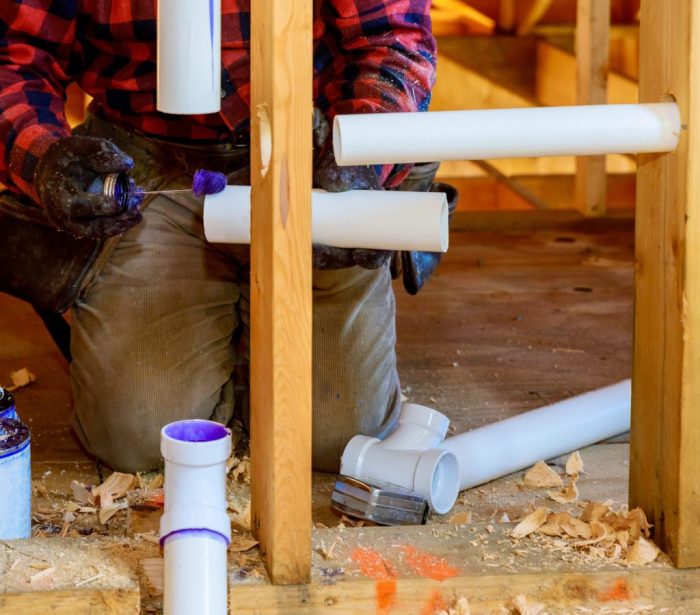
HVAC System Maintenance is essential for ensuring your heating, ventilation, and air conditioning system runs efficiently and lasts longer. Regular maintenance not only boosts performance but also helps you save on costly repairs down the line. Plus, a well-maintained system is kinder to our planet, reducing energy consumption and emissions.
In this guide, we’ll dive into the importance of regular maintenance, explore common practices that keep your HVAC system in top shape, and even highlight career opportunities in the HVAC maintenance sector. Get ready to learn how you can take charge of your HVAC system and make it work better for you!
Importance of HVAC System Maintenance
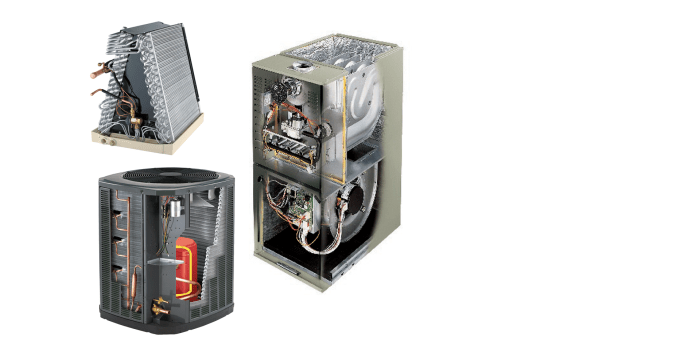
Regular maintenance of HVAC systems plays a crucial role in ensuring their efficiency, longevity, and overall functionality. Just like any other piece of technology, HVAC units require consistent attention and care to operate at their best. By prioritizing maintenance, homeowners can not only enhance comfort levels but also safeguard their investment in these essential systems.Timely HVAC maintenance can lead to significant cost savings over time.
Neglecting regular servicing can result in minor issues evolving into major problems, which can be more expensive to repair. Routine inspections often identify wear and tear before it escalates, allowing for small repairs rather than costly replacements. Additionally, well-maintained systems consume less energy, leading to lower utility bills.
Cost Savings from Timely Repairs and Maintenance
Investing in regular HVAC maintenance can have immediate and long-term financial benefits. Here are the key factors contributing to cost savings:
- Improved Energy Efficiency: Systems running smoothly consume less energy. A well-maintained unit can save up to 15% on energy costs.
- Extended Lifespan: Regular maintenance can extend an HVAC system’s lifespan by several years, delaying the need for costly replacements.
- Reduced Repair Costs: Small issues identified early can often be fixed for a fraction of the cost of larger repairs that result from neglect.
- Increased Property Value: A well-maintained HVAC system can contribute to a higher resale value of the property, as potential buyers often seek homes with verified maintenance records.
Environmental Benefits of Proper HVAC Maintenance
Maintaining HVAC systems isn’t just a smart financial decision; it also has positive environmental implications. Here are some key points highlighting these benefits:
- Lower Carbon Footprint: Efficient HVAC systems utilize less energy, which reduces greenhouse gas emissions associated with electricity generation.
- Reduced Waste: Regular maintenance helps to avoid premature system failure, minimizing the waste generated from discarded units that have reached the end of their life cycle.
- Use of Eco-Friendly Refrigerants: Properly serviced systems are more likely to use refrigerants that are less harmful to the environment, thus reducing ozone-depleting substances.
- Optimized Air Quality: Maintained systems filter out pollutants and allergens more effectively, leading to improved indoor air quality, which has a direct impact on public health.
“An efficient HVAC system not only enhances comfort but also fosters sustainable living through reduced energy consumption and improved air quality.”
Employment Opportunities in HVAC Maintenance
The HVAC maintenance sector offers a range of career opportunities for individuals interested in working with heating, ventilation, and air conditioning systems. With the growing demand for energy-efficient and environmentally friendly systems, skilled technicians are increasingly sought after. This sector not only provides stable job prospects but also the chance to grow and specialize in various areas of HVAC technology.Within the HVAC maintenance field, several job titles and roles are available, each requiring specific qualifications and skills.
Positions range from entry-level technicians to advanced system designers. Understanding these roles is crucial for aspiring HVAC professionals.
Types of Jobs and Qualifications
The HVAC maintenance sector encompasses a variety of job roles that cater to different levels of expertise. Here are some key positions along with their necessary qualifications:
- HVAC Technician: Typically requires a high school diploma or equivalent and completion of an HVAC training program. Certification from recognized organizations like the Environmental Protection Agency (EPA) is often essential.
- HVAC Installer: Involves installing various HVAC systems and generally requires similar qualifications as technicians. Hands-on experience is highly valued in this role.
- Service Manager: This role demands experience in HVAC, often requiring several years of fieldwork. Leadership and managerial skills are crucial, along with a background in business operations.
- Energy Auditor: Professionals in this role evaluate energy efficiency in HVAC systems. A background in engineering or environmental science, along with specific certifications, is beneficial.
Skills Required for HVAC Maintenance
A successful career in HVAC maintenance is built on a foundation of technical and soft skills. The following skills are essential for HVAC professionals:
- Technical Proficiency: Understanding of HVAC systems, including their components and how they operate.
- Problem-Solving Skills: Ability to diagnose issues and devise effective solutions quickly.
- Customer Service: Strong interpersonal skills for communicating with clients about their HVAC needs.
- Attention to Detail: Precision is crucial when working with intricate systems to ensure safety and efficiency.
Acquiring these skills can occur through formal education, apprenticeships, and hands-on experience. Technical schools often provide the necessary training, while on-the-job experiences help technicians refine their skills.
Industry Growth and Future Job Prospects
The HVAC maintenance industry is expected to see robust growth in the coming years. According to the U.S. Bureau of Labor Statistics, employment for HVAC technicians is projected to grow by 5% from 2021 to 2031, which is about as fast as the average for all occupations. This growth is fueled by several factors, primarily the increasing focus on energy efficiency and the need for retrofitting existing systems to meet stricter environmental regulations.Additionally, advancements in technology, such as smart HVAC systems, are creating new job opportunities within the sector, requiring technicians to update their skills continually.
For instance, technicians are now learning to work with IoT-connected devices, which monitor system performance and efficiency in real-time.The HVAC maintenance field is poised for expansion, providing numerous opportunities for those willing to invest in their education and skill development. As building codes evolve and environmental standards become stricter, the demand for qualified HVAC professionals will continue to grow, making this a promising career path for individuals seeking stability and advancement.
Last Word
In summary, prioritizing HVAC System Maintenance is a win-win for your home and the environment. From understanding the significance of routine upkeep to exploring exciting job prospects in the field, you now have a solid foundation to ensure your HVAC system remains efficient and reliable. So, don’t wait—get started on that maintenance today!
Popular Questions
How often should I have my HVAC system serviced?
It’s recommended to have your HVAC system serviced at least twice a year, ideally once in the spring and once in the fall.
What are the signs that my HVAC system needs maintenance?
Look for signs like unusual noises, inconsistent temperatures, increased energy bills, or poor air quality as indicators for maintenance.
Can I perform maintenance tasks myself?
While some tasks like changing air filters can be done by homeowners, more complex maintenance should be handled by professionals.
Is HVAC maintenance worth the cost?
Yes, regular maintenance can save you money in the long run by preventing major repairs and improving energy efficiency.
What qualifications do HVAC technicians need?
HVAC technicians typically need a high school diploma, relevant certifications, and training from accredited programs.


