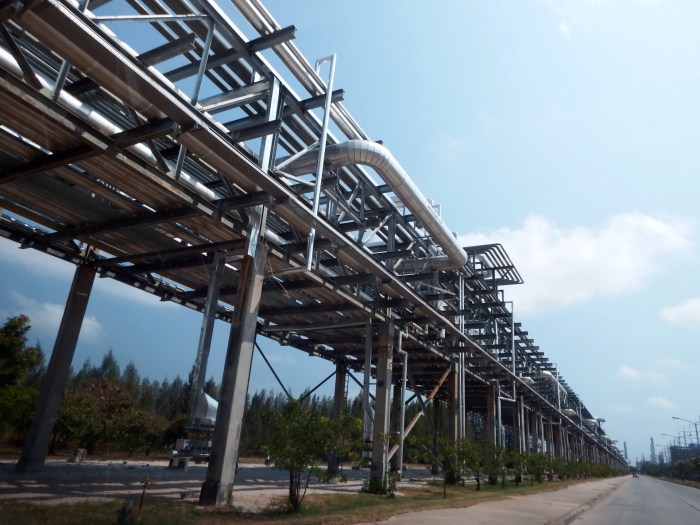
Industrial Machinery Distributors play a crucial role in connecting manufacturers with the necessary equipment for various industries. From construction to textiles, these distributors ensure that the right machinery reaches the right hands, facilitating smooth operations and productivity.
Understanding the landscape of industrial machinery distribution reveals the diverse range of machinery involved, including heavy equipment, automation tools, and specialty machinery tailored for specific sectors. Key players in this market not only drive sales but also provide essential support and services that enhance operational efficiency across industries.
Industrial Machinery Distributors Overview
Industrial machinery distributors play a crucial role in the supply chain by connecting manufacturers of machinery with end-users across various industries. They serve as intermediaries that facilitate the availability and accessibility of machinery, ensuring that production processes run smoothly. With their extensive networks and market knowledge, these distributors not only supply equipment but also provide essential support services, contributing to the overall efficiency of industrial operations.The types of machinery typically distributed by these entities encompass a wide range of products designed for different applications.
This includes heavy equipment like excavators and bulldozers for construction, CNC machines for precision manufacturing, and agricultural machinery such as tractors and harvesters. Each type of machinery serves specific functions essential to its respective industry, enhancing productivity and operational effectiveness.
Types of Machinery and Their Applications
Understanding the various types of machinery distributed and their applications is vital for identifying how they impact different sectors. Here are some key categories of machinery, along with their applications:
- Construction Machinery: This category includes excavators, bulldozers, and cranes. They are employed in building, road construction, and earthmoving tasks to enhance efficiency and safety on job sites.
- Manufacturing Machinery: Machinery like lathes, milling machines, and CNC equipment fall under this category. They are fundamental in producing precision parts for automotive, aerospace, and electronics industries.
- Agricultural Machinery: Tractors, combine harvesters, and tillers are examples. These machines help streamline farming processes, improving yield and reducing labor dependency.
- Material Handling Equipment: Forklifts, conveyors, and pallet jacks are used in warehouses and distribution centers to move goods efficiently, reducing time spent on logistics.
- Industrial Pumps and Compressors: Essential for various manufacturing processes, these machines handle fluids and gases, facilitating operations in chemical processing, HVAC systems, and food production.
Key Players in the Industrial Machinery Distribution Market
The industrial machinery distribution market is characterized by several key players that dominate the landscape. These distributors possess extensive product lines and a wide customer base. Leading companies often include manufacturers that also serve as distributors, ensuring that they can control quality and supply chain logistics effectively.Some notable players in this market include:
- United Rentals, Inc.: A leading equipment rental company that provides a vast array of industrial machinery and tools, suitable for various construction and maintenance projects.
- Fastenal Company: A distributor specializing in industrial and construction supplies, offering a wide selection of machinery and related products.
- Grainger: Known for its extensive catalog of products, Grainger serves as a key distributor of machinery and maintenance supplies across numerous industries.
- Herc Rentals: This company provides rental equipment solutions, offering machinery essential for construction, industrial, and event needs.
- John Deere: While primarily a manufacturer, John Deere also plays a significant role in distribution, providing agricultural machinery and equipment through a vast dealer network.
“The efficiency of industrial operations largely hinges on the effectiveness of machinery distribution.”
Employment and Work in Industrial Machinery Distribution

The industrial machinery distribution sector offers a variety of roles that cater to different skills and experiences. As the industry continues to grow, the demand for qualified professionals is on the rise, making this a promising field for job seekers. Understanding the various job roles, skills required, and career growth opportunities can significantly benefit those interested in pursuing a career in this sector.The industrial machinery distribution field encompasses a wide array of job roles, each contributing to the efficient operation and success of the business.
Here are some key positions found within this industry:
Key Job Roles in Industrial Machinery Distribution
A diverse range of roles exists in industrial machinery distribution, allowing individuals with various interests and skill sets to find their niche. Some notable positions include:
- Sales Representatives: Responsible for selling machinery and equipment, understanding client needs, and providing tailored solutions.
- Warehouse Managers: Oversee the storage, inventory management, and distribution of machinery, ensuring timely delivery and efficiency.
- Service Technicians: Provide maintenance, repair, and technical support for machinery, ensuring optimal performance for clients.
- Logistics Coordinators: Manage the transportation and logistics of machinery, optimizing routes and ensuring compliance with regulations.
- Product Specialists: Focus on specific machinery lines, providing expert knowledge and support to both sales teams and customers.
To thrive in these roles, certain skills and qualifications are essential. The industrial machinery distribution sector often prioritizes candidates with a combination of technical knowledge and interpersonal skills.
Skills and Qualifications for Employment
Skills that are highly valued in this sector include:
- Technical Proficiency: Understanding machinery operation, specifications, and maintenance processes is critical, especially for technicians and product specialists.
- Sales and Negotiation Skills: Sales representatives must possess strong communication skills and the ability to negotiate effectively with clients.
- Organizational Skills: Roles such as warehouse managers and logistics coordinators require excellent organizational skills to manage inventory and distribution efficiently.
- Problem-Solving Skills: Service technicians need to diagnose issues and provide effective solutions to machinery problems swiftly.
- Customer Service Orientation: A focus on customer satisfaction is crucial across all roles, emphasizing the importance of building strong client relationships.
In terms of qualifications, many positions require a background in engineering, mechanics, or business. Certifications related to specific machinery types or general industrial practices can also enhance job prospects.
Career Growth and Opportunities
The industrial machinery distribution sector presents numerous opportunities for career advancement. As technology advances and the market evolves, professionals in this field can expect:
- Promotion Potential: Many organizations promote from within, providing pathways from entry-level roles to management positions.
- Specialization Opportunities: Individuals can specialize in specific machinery types or sectors, such as construction, manufacturing, or agriculture, which can lead to higher-paying positions.
- Training and Development: Companies often provide access to training programs that enhance skills and increase job performance, further opening doors for advancement.
- Networking Prospects: The industry’s collaborative nature allows employees to network with professionals, further facilitating personal and professional growth.
“The industrial machinery distribution sector is not just about machinery; it’s about building relationships and fostering growth.”
Industry Expert
The potential for career growth in this sector is significant, often translating to a stable career with various avenues for advancement. This makes industrial machinery distribution an attractive career choice for many.
Related Industries and Their Impact
The industrial machinery distribution sector significantly intersects with various industries, each contributing to and influencing its operational dynamics. Understanding these relationships provides insight into the machinery distribution landscape and highlights the interconnectedness of various sectors. The sectors of textiles, nonwovens, and telecommunications play crucial roles in shaping the efficiency and effectiveness of machinery distributors.
Interaction with Textiles and Nonwovens Industries
Industrial machinery distributors closely collaborate with the textiles and nonwovens industries, providing essential equipment and support for manufacturing processes. The machinery supplied to these sectors includes spinning machines, weaving equipment, and nonwoven fabric manufacturing systems. The synergy between these industries is vital, as advancements in textile technology often drive demand for new machinery.
- The textiles sector requires machinery that enhances production speed and quality, leading distributors to focus on innovative solutions.
- Nonwovens have seen growth due to their applications in various fields, such as hygiene products and filtration, which increases demand for specialized machinery.
- Distributors must stay abreast of industry trends to offer machinery that meets evolving production standards, including sustainability and efficiency.
The collaboration fosters an environment where distributors can provide tailored solutions that improve productivity and reduce operational costs for textile and nonwoven manufacturers.
Significance of Telecommunications in Operational Efficiency
Telecommunications play a pivotal role in enhancing the operational efficiency of machinery distributors. Effective communication systems enable distributors to manage inventory, track shipments, and coordinate with suppliers and customers seamlessly.
- Real-time data exchange allows for quicker decision-making and responsiveness to market demands.
- Advanced telecommunications technologies, such as IoT (Internet of Things), facilitate predictive maintenance of machinery, reducing downtime and improving service delivery.
- Enhanced connectivity supports remote diagnostics and troubleshooting, leading to faster resolution of issues and higher customer satisfaction.
These technological advancements ensure that machinery distributors operate smoothly and maintain competitive advantages in a rapidly changing marketplace.
Comparison of Employment Trends in Industrial Goods and Services versus Publishing and Printing Industries
Employment trends reveal significant differences between the industrial goods and services sector and the publishing and printing industries. The industrial machinery distribution sector often experiences consistent growth due to ongoing investments in infrastructure and manufacturing capabilities.
- The industrial sector typically sees a rise in jobs related to engineering, machine operation, and logistics as new technologies emerge.
- In contrast, the publishing and printing industries face challenges related to digital transformation, leading to a decline in traditional print jobs. This sector is adapting by focusing on digital content creation and distribution, which affects employment numbers.
- As of recent reports, the industrial goods sector has shown a steady increase in job openings, while the publishing sector has contracted, prompting a shift in workforce skills towards digital literacy and technology adeptness.
This comparison illustrates how technological advancements and market demands shape employment opportunities and workforce development in these diverse sectors.
Outcome Summary
In conclusion, the world of Industrial Machinery Distributors is dynamic and integral to numerous sectors. By recognizing their role, job opportunities, and the impact they have across industries, one can appreciate the significance of these distributors in maintaining the flow of industrial operations. Whether you’re looking to enter this field or seeking to understand its influence, the insights shared provide a solid foundation for further exploration.
Answers to Common Questions
What types of machinery do distributors handle?
Distributors handle a wide variety of machinery, including construction equipment, manufacturing machinery, and automation tools.
What qualifications are typically needed for jobs in this field?
Qualifications can vary, but common requirements include technical knowledge, experience in sales, and familiarity with machinery operation.
How do industrial machinery distributors impact the economy?
They support job creation, enhance manufacturing capabilities, and contribute to the overall efficiency of industrial operations.
What career growth opportunities exist in this sector?
Opportunities for advancement include moving into sales management, technical support roles, or specialized machinery expertise.
How do distributors collaborate with manufacturers?
Distributors work closely with manufacturers to ensure timely delivery, provide feedback on market needs, and assist in product development.


