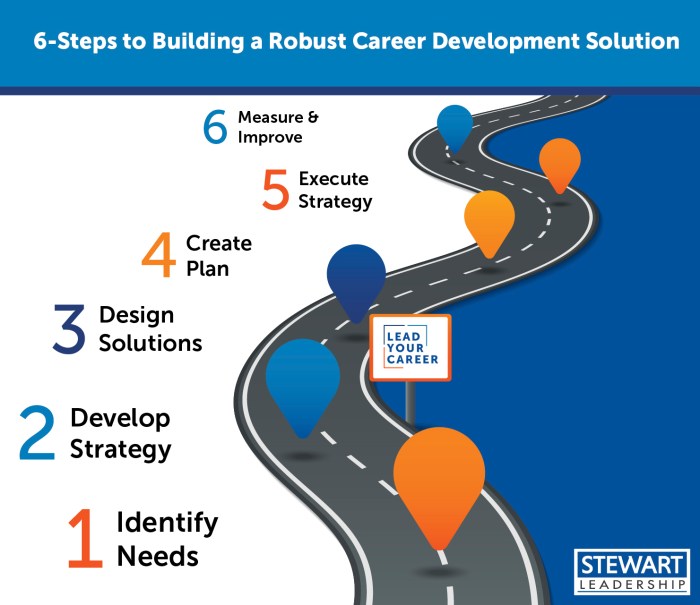
Career Change is more than just a job switch; it’s a journey of self-discovery and growth. Many people feel stuck in their careers due to various signs that indicate it’s time for a shift. Whether it’s the relentless Monday blues or a changing industry landscape, understanding when and how to pivot can open up new opportunities and reinvigorate your professional life.
In this guide, we’ll dive into recognizing the need for change, exploring new paths, and implementing a successful transition. You’ll learn how to assess your current situation, research alternative careers, and build a personal brand that resonates with your new aspirations. Get ready to embrace the possibilities!
Assessing the Need for a Career Change
Recognizing when it’s time to shift your career path can be challenging but crucial for your professional and personal growth. Several indicators can signal that a change is necessary, ranging from dissatisfaction with your current role to broader industry trends that might influence your job security and satisfaction. Understanding these factors can help you make informed decisions about your future.Emotional and psychological factors play a significant role in career decision-making.
Feelings of burnout, lack of passion, or constant dissatisfaction can serve as red flags indicating that a change is needed. Moreover, external pressures such as societal expectations or financial stability can further complicate your career choices. It’s essential to reflect on these emotional responses and the overall state of your well-being in relation to your job.
Indicators of a Career Change
Several signs can indicate the need for a career transition. Recognizing these indicators can help clarify your next steps.
- Chronic Dissatisfaction: A persistent feeling of unhappiness or lack of fulfillment in your job often points to the need for change.
- Burnout: Experiencing physical and emotional exhaustion can significantly impact your productivity and overall well-being.
- Stagnation: If you find yourself in a position with no opportunities for growth or advancement, it may be time to explore new avenues.
- Changing Interests: As your skills and passions evolve, they may no longer align with your current career path.
- Industry Decline: If the sector you’re in is facing challenges or diminishing job prospects, a change could be necessary.
Emotional and Psychological Influences
The role of emotions in career decisions is significant. Career choices are often intertwined with personal identity and self-worth, making it essential to assess your emotional health during this process.
“Your career is not just about the job you do; it reflects who you are and what you value.”
Understanding your emotional state can provide insight into your desire for change. Factors such as stress, anxiety, or even feelings of inadequacy can cloud judgment and complicate decision-making.
Impact of Industry Trends
Industry trends can play a pivotal role in shaping individual career paths. As sectors evolve, job roles may change, and new opportunities may arise that didn’t exist previously. It’s crucial to stay informed about the following aspects of industry trends:
- Technological Advancements: Innovations can render certain skills obsolete while creating demand for new ones. For example, the rise of artificial intelligence in various sectors has shifted the types of roles available.
- Market Demand: Researching industries that are experiencing growth can guide you towards more viable career options.
- Remote Work Trends: The shift towards remote and flexible work can open up opportunities that weren’t available in traditional office environments.
- Economic Shifts: Understanding broader economic conditions, such as recession or growth phases, can help you anticipate job security and availability in your field.
Exploring New Career Paths

Exploring new career paths can be an exciting yet daunting process. It’s essential to approach this journey with the right tools and mindset. Understanding the alternatives available to you, recognizing transferable skills, and comparing different industries can pave the way for a successful transition.Researching alternative career options involves a variety of methods that can help you identify paths that may be aligned with your interests and skills.
Utilizing online resources, attending industry networking events, or even reaching out to professionals in fields of interest can provide valuable insights. Online platforms like LinkedIn and Glassdoor can also offer a glimpse into company cultures and job roles that resonate with you.
Methods for Researching Alternative Career Options
A comprehensive approach to researching alternative career options can include several key strategies. The following methods can be particularly effective in broadening your understanding of potential career paths:
- Informational interviews: Reach out to professionals in fields that intrigue you to learn about their experiences and job roles.
- Online courses and webinars: Enroll in courses related to industries you’re interested in to gain foundational knowledge and skills.
- Job shadowing: Spend a day or a few hours observing professionals in their work environment to gain a real-world perspective.
- Industry reports: Access reports and white papers that provide insights into industry trends, job growth, and required skills.
- Professional organizations: Join organizations related to your fields of interest to connect with industry experts and resources.
Skills Transfer Process
When considering a switch from one industry to another, understanding the skills that can be transferred is crucial. Skills gained in sectors such as Telecommunications and Management often overlap with various other industries. Here’s a structured view of the primary transferable skills:
| Skill | Description | Applicable Industries |
|---|---|---|
| Communication | Ability to convey information effectively, both verbally and in writing. | Telecommunications, Management, Marketing |
| Project Management | Experience in planning and executing projects within deadlines and budgets. | Telecommunications, IT, Construction |
| Problem-Solving | Skill in identifying issues and generating viable solutions. | Management, Engineering, Healthcare |
| Data Analysis | Ability to interpret data and make informed decisions based on findings. | Telecommunications, Finance, Marketing |
Comparison of Employment Opportunities
Different fields offer various employment opportunities, each with distinct characteristics and job roles. Here’s a comparison of employment prospects in three specific sectors: Domestic Services, Publishing and Printing, and Industrial Goods and Services. Understanding these differences can help you make informed decisions about your career transition.
| Field | Growth Potential | Typical Job Roles | Required Skills |
|---|---|---|---|
| Domestic Services | Steady demand, especially in home care and cleaning services. | Housekeeper, Personal Care Aide, Nanny | Interpersonal, time management, adaptability |
| Publishing and Printing | Declining print but growing digital formats. | Editor, Graphic Designer, Marketing Specialist | Creativity, communication, technical proficiency |
| Industrial Goods and Services | Stable, with increasing automation and technology integration. | Sales Engineer, Quality Control Analyst, Technician | Technical skills, critical thinking, teamwork |
Implementing a Successful Career Transition
Transitioning careers is an exciting yet challenging journey that requires careful planning and execution. To successfully navigate this change, it’s essential to focus on developing a personal brand, networking effectively, and tailoring your resume and cover letter to suit your new industry. This guide provides actionable steps to help you make a successful career shift.
Developing a Personal Brand
Creating a personal brand is vital during a career transition as it distinguishes you in a crowded job market. Your personal brand should reflect your values, skills, and what you want to achieve in your new career.
1. Identify Your Unique Value Proposition
Determine what makes you different from others in your new field. This could be your past experiences, specific skills, or a unique perspective.
2. Establish Your Online Presence
Use platforms like LinkedIn to showcase your expertise. Ensure your profile is complete with a professional photo, a compelling headline, and a summary that conveys your career aspirations.
3. Create Relevant Content
Start a blog or contribute to industry-specific forums. Sharing insights about textiles, business development, or translation can help you position yourself as a knowledgeable professional in your new field.
4. Engage in Community Activities
Attend workshops, webinars, and industry conferences to meet others in your chosen field. This not only enhances your knowledge but helps you build a reputable presence.
“Your personal brand is what people say about you when you’re not in the room.”
Networking Strategies
Effective networking is crucial when transitioning to a new career. Building connections in fields such as textiles, business creation, and translation services can open doors to opportunities.
Join Professional Associations
Engage with organizations related to your new field. For instance, if entering textiles, organizations like the Textile Society can be invaluable for networking and resources.
Attend Industry Events
Participate in trade shows, seminars, and workshops specific to your new area. These events are excellent for meeting professionals and learning about the latest trends.
Leverage Social Media
Use platforms like LinkedIn and Twitter to connect with industry leaders. Share relevant content, comment on posts, and engage in discussions to increase your visibility.
Informational Interviews
Reach out to professionals in your target industry to learn about their experiences and seek advice. This approach not only provides insights but also establishes rapport.
Creating a Tailored Resume and Cover Letter
A tailored resume and cover letter are critical tools in your job search, especially when entering a new industry.
Research Industry Standards
Understand the expectations and formats preferred in your target field. For example, in textiles, a creative layout might be appreciated, while business development may favor a more structured approach.
Highlight Relevant Skills
Focus on transferable skills that apply to your new career. For instance, if moving from a corporate job to textiles, emphasize skills like project management, marketing, and customer relations.
Customize Each Application
Adjust your resume and cover letter for each job application by incorporating s from the job description. This ensures your materials align with what the employer is seeking.
Showcase Achievements
Quantify your accomplishments with specific examples that demonstrate your capabilities. For instance, “Increased sales by 30% in the previous role” is more impactful than simply stating “responsible for sales.”By taking these steps to develop your personal brand, network effectively, and create tailored application materials, you can facilitate a smoother and more successful career transition.
Summary
In summary, navigating a Career Change can be daunting, but it’s also an exciting opportunity to realign your passions with your professional goals. By assessing your current position, exploring new avenues, and taking deliberate steps towards a transition, you’re not just changing jobs—you’re transforming your career narrative. Remember, every step taken is a step closer to a fulfilling career that truly reflects who you are.
Top FAQs
What are the first signs I need a Career Change?
Common signs include lack of fulfillment, constant burnout, or feeling stagnant in your current role.
How can I identify new career options?
Research online job boards, attend industry fairs, or talk to professionals in fields that interest you.
What skills can transfer to a new industry?
Soft skills like communication, leadership, and problem-solving are often transferable across various fields.
How should I tailor my resume for a new career?
Highlight relevant skills and experiences that align with the job you’re applying for, even if they come from different industries.
Is networking important during a Career Change?
Yes, networking can open doors to opportunities and provide insights into new industries.


