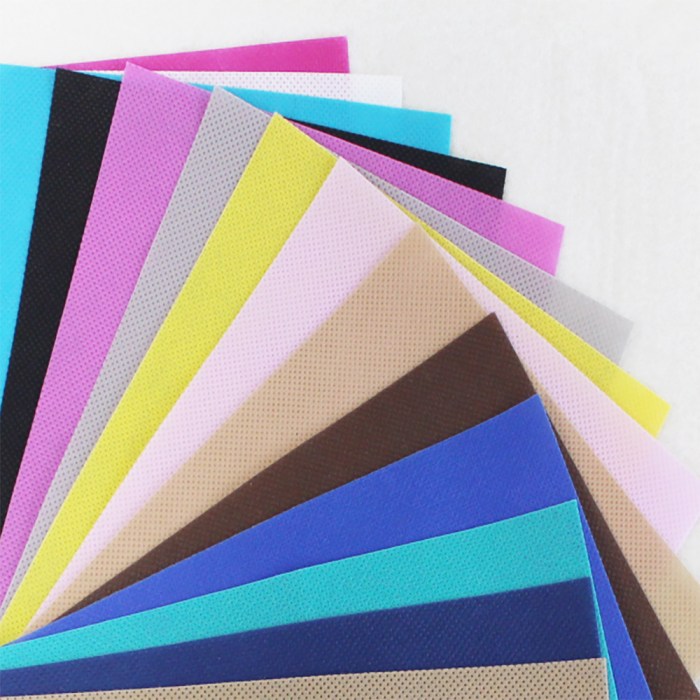
Nonwoven Fabrics are a fascinating blend of innovation and practicality, offering a unique approach to textile manufacturing. These fabrics are created by bonding fibers together through various processes, making them distinct from traditional woven or knitted fabrics. From hygiene products to industrial applications, nonwoven fabrics play a crucial role in numerous fields and industries.
In this overview, we’ll explore the characteristics, types, and broad range of applications of nonwoven fabrics. You’ll discover how these versatile materials are revolutionizing industries and creating exciting employment opportunities for those interested in textile science.
Nonwoven Fabrics Overview
Nonwoven fabrics are innovative textiles made from fibers that are bonded together through various processes rather than woven or knitted. These fabrics possess unique characteristics that make them suitable for a wide array of applications across multiple industries. Their versatility, lightweight nature, and ability to be engineered for specific needs set them apart from traditional fabrics.The characteristics of nonwoven fabrics include their durability, breathability, and customizable properties.
They can be produced in varying thicknesses and can be treated to enhance features such as water resistance or fire retardancy. The manufacturing process often involves methods like heat bonding, chemical bonding, or mechanical bonding, and these processes define the fabric’s texture, strength, and overall performance.
Types of Nonwoven Fabrics
There are several types of nonwoven fabrics, each with its own properties and suitable applications. Here’s a breakdown of the most common types:
- Spunbond: Made by extruding thermoplastic fibers onto a conveyor belt, spunbond fabrics are known for their high strength and resistance to tearing. They are widely used in applications like hygiene products and geotextiles.
- SMS (Spunbond-Meltblown-Spunbond): This composite fabric combines spunbond and meltblown processes, resulting in a material that is both strong and offers excellent filtration properties. It’s commonly used in medical gowns and masks.
- Needle Punch: Created through mechanically entangling fibers using barbed needles, needle punch fabrics are thick and durable, making them ideal for carpets and insulation materials.
- Hydroentangled: Often referred to as spunlace, this type of fabric is formed by using high-pressure water jets to entangle fibers. It is soft and highly absorbent, commonly found in wipes and medical applications.
Applications of Nonwoven Fabrics
Nonwoven fabrics are utilized in a plethora of industries due to their adaptability. They are essential in sectors like healthcare, agriculture, automotive, and construction. Below are some prominent applications:
- Healthcare: Nonwoven fabrics are crucial in the production of surgical masks, gowns, and drapes due to their barrier properties and sterility.
- Agriculture: These fabrics serve as mulch mats and crop covers, facilitating moisture retention and weed control.
- Automotive: Nonwoven materials are employed in car interiors for sound insulation and as substrates for upholstery.
- Construction: Used as geotextiles, nonwoven fabrics assist in soil stabilization, drainage, and erosion control.
Nonwoven fabrics represent a fusion of performance and versatility, making them integral to modern manufacturing across diverse industries.
Employment Opportunities in Nonwovens
The nonwoven fabric industry is rapidly evolving, presenting various job opportunities for individuals interested in textile production, research, and development. As this sector grows, so does the demand for skilled professionals who can contribute to innovative solutions and sustainable practices within the industry.Numerous roles exist in the nonwovens field that cater to a range of skill sets, from engineering and manufacturing to design and research.
These positions not only focus on the production of nonwoven materials but also encompass roles that advance technology and sustainability in fabric applications.
Job Roles in Nonwoven Fabric Production and Research
The nonwoven industry offers a diverse array of job roles, each playing a crucial part in the overall production and innovation processes. Here are some key positions within the sector:
- Textile Engineers: Responsible for designing and developing new nonwoven fabrics, ensuring they meet both performance and safety standards.
- Production Managers: Oversee manufacturing operations, focusing on efficiency, quality control, and adherence to production schedules.
- Research Scientists: Engage in developing new nonwoven technologies and applications, often collaborating with universities and research institutions.
- Quality Assurance Specialists: Ensure that products meet required specifications and industry standards through rigorous testing and analysis.
- Sales and Marketing Professionals: Promote nonwoven products, working to understand market demands and customer needs to drive sales growth.
Educational Paths for Careers in Nonwoven Textiles
To enter the nonwoven fabric industry, individuals can pursue various educational paths that equip them with the necessary knowledge and skills. Here are some common routes:
- Textile Engineering Degree: A degree in textile engineering provides foundational knowledge about fibers, materials, and manufacturing processes essential for a career in nonwovens.
- Materials Science Programs: These programs focus on the properties and applications of materials, including nonwoven textiles, offering insights into their performance and functionality.
- Research Fellowships: Engaging in specialized research fellowships can provide hands-on experience in nonwoven technology development and innovation.
- Certification Programs: Various organizations offer certifications in textile technology and quality assurance, which can enhance job prospects in the industry.
Industry Trends Influencing Employment in the Nonwoven Sector
Several industry trends significantly impact employment opportunities in the nonwoven fabric sector. Understanding these trends is crucial for both job seekers and employers alike.
- Sustainability Practices: The increasing emphasis on environmentally friendly materials and processes is driving demand for professionals skilled in sustainable practices.
- Technological Advancements: Innovations in manufacturing technologies, such as automation and smart textiles, are creating new roles focused on tech integration and development.
- Healthcare Applications: The rising use of nonwovens in medical and hygiene products has expanded job opportunities in this specialized field.
- Global Market Growth: As demand for nonwoven products increases globally, companies are seeking talent to enter new markets and expand production capabilities.
Nonwoven Fabrics in Industrial Applications
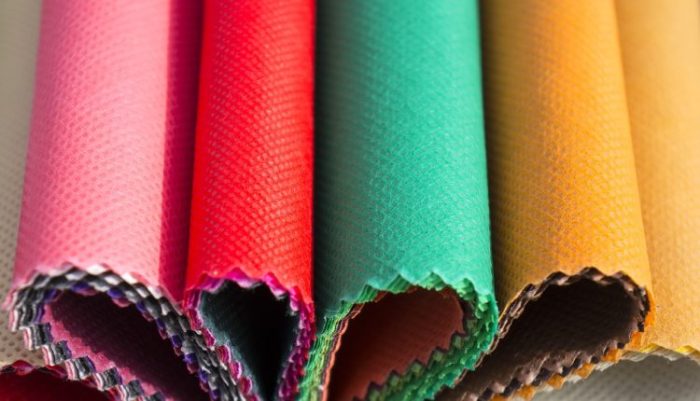
Nonwoven fabrics play a significant role in various industrial applications, providing innovative solutions that enhance performance, reliability, and cost-effectiveness. Their unique properties make them suitable for a range of industries, from telecommunications to publishing. In this section, we will explore how nonwoven fabrics are utilized in industrial goods and services and compare their advantages over traditional textiles.
Use of Nonwoven Fabrics in Industrial Goods and Services
Nonwoven fabrics are extensively used in industrial applications due to their versatility and functionality. They are commonly found in protective clothing, filtration materials, and components for automotive and construction industries. Here are some key areas where nonwoven fabrics are utilized:
- Filtration: Nonwoven fabrics serve as efficient filtration media in air and liquid filtration systems. Their unique structure allows them to trap particles while maintaining airflow, making them essential in HVAC systems and water treatment plants.
- Protective Clothing: The durability and resistance of nonwoven fabrics to chemicals and abrasions make them ideal for personal protective equipment (PPE) used in hazardous environments, such as medical gowns and industrial covers.
- Automotive Components: Nonwovens are used in various automotive applications, including sound absorption materials, insulation, and interior lining, contributing to vehicle comfort and performance.
Role in Telecommunications and Publishing Sectors
In the telecommunications sector, nonwoven fabrics are utilized for cable insulation and protection. The lightweight yet strong nature of these materials allows for efficient cable management while safeguarding sensitive components from moisture and physical damage. In addition, their dielectric properties support reliable signal transmission, making them valuable in high-performance networking applications.In the publishing sector, nonwoven fabrics are employed in bookbinding and as substrates for printed materials.
Their durability ensures that publications withstand wear and tear over time, while their lightweight nature contributes to reduced shipping costs. Nonwovens also allow for innovative design options, such as textured finishes and enhanced aesthetics, appealing to publishers seeking to differentiate their products.
Cost-effectiveness and Sustainability Comparison
When comparing nonwoven fabrics to traditional textiles, several factors highlight their cost-effectiveness and sustainability. Here are some essential aspects to consider:
- Production Efficiency: Nonwoven fabrics are produced using less energy and water compared to traditional woven fabrics, leading to reduced operational costs and a lower environmental footprint.
- Material Usage: Nonwovens often require less raw material since they can be engineered to meet specific performance requirements without the need for multiple layers, resulting in less waste.
- Recyclability: Many nonwoven fabrics are made from recyclable fibers, such as polypropylene, which can be repurposed after use, contributing to a circular economy.
- Lower Labor Costs: The manufacturing process of nonwoven fabrics is generally more automated than that of traditional textiles, resulting in reduced labor costs and faster production times.
“Nonwoven fabrics not only enhance product performance but also promote sustainability through efficient production and material usage.”
Final Wrap-Up
In summary, Nonwoven Fabrics represent a significant advancement in textile technology, combining functionality and sustainability in ways that traditional fabrics cannot match. As we’ve seen, their applications extend far beyond simple uses, impacting various sectors and providing new career paths. The future looks bright for this innovative material as it continues to evolve and adapt in our ever-changing world.
Frequently Asked Questions
What are nonwoven fabrics made of?
Nonwoven fabrics can be made from a variety of fibers, including polyester, polypropylene, and natural fibers, which are bonded together using different methods such as heat, chemicals, or mechanical processes.
How do nonwoven fabrics differ from traditional fabrics?
Unlike traditional fabrics that are woven or knitted, nonwoven fabrics are manufactured by directly bonding fibers, making them generally more cost-effective and faster to produce.
Are nonwoven fabrics biodegradable?
Some nonwoven fabrics are biodegradable, especially those made from natural fibers, but many synthetic options may not break down easily and require proper disposal methods.
What are the benefits of using nonwoven fabrics?
Benefits include lightweight properties, versatility in applications, cost-effectiveness, and specific functionalities like water resistance or filtration.
Can nonwoven fabrics be recycled?
Yes, certain types of nonwoven fabrics can be recycled, but the recycling process and the feasibility depend on the material composition and local recycling capabilities.


