Augmented Reality (AR) Applications are revolutionizing how we interact with the world around us, blending digital elements with our physical environment. From enhancing workplace training to transforming creative fields, AR is making a significant mark across various sectors, improving efficiency and engagement.
With its diverse applications, AR is not just about flashy visuals; it’s about practical solutions that aid in decision-making, product design, and customer experience. As industries embrace this technology, the potential for innovation seems boundless, paving the way for a future where the digital and physical worlds seamlessly intertwine.
Applications of Augmented Reality in Various Industries
The integration of Augmented Reality (AR) across different sectors is revolutionizing how businesses operate, providing innovative solutions that enhance efficiency, collaboration, and decision-making. By overlaying digital information in the real world, AR transforms traditional processes into interactive experiences, fostering a new level of engagement and productivity.
Impact of AR in Employment and Work
AR is significantly enhancing training programs and remote collaboration methods, allowing employees to engage in immersive learning experiences. This technology helps bridge the gap between theoretical knowledge and practical application, making the training process more effective.
- Enhanced Training: AR provides hands-on, interactive training environments that simulate real-world scenarios. For instance, medical students can practice surgical procedures in a risk-free setting, while technicians can learn equipment maintenance through step-by-step visual overlays.
- Remote Collaboration: AR enables teams to collaborate in real-time, regardless of their physical locations. Tools like Microsoft HoloLens allow multiple users to interact with 3D models, facilitating discussions and decision-making as if they were all in the same room.
- On-the-Job Assistance: Workers can use AR glasses to receive real-time guidance directly in their field of vision. For example, assembly workers can see instructions projected onto the machinery they’re working on, reducing errors and increasing efficiency.
Role of AR in Industrial Goods and Services
In the realm of industrial goods and services, AR plays a critical role in product design and maintenance, streamlining processes and enhancing productivity. The ability to visualize products in their intended environment before physical production can significantly reduce time and costs.
- Product Design: Designers can utilize AR to create virtual prototypes that stakeholders can visualize and interact with before committing to manufacturing. This allows for immediate feedback and iterative improvements, ensuring the final product meets user expectations.
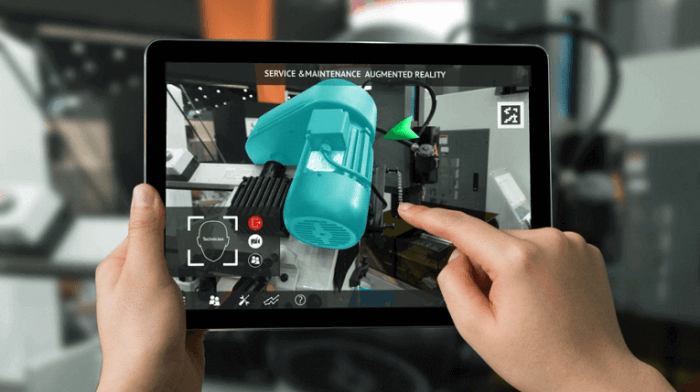
- Maintenance and Repairs: Maintenance workers can access AR overlays that provide detailed schematics and instructions while they work on machinery. This reduces downtime and minimizes the likelihood of mistakes, as technicians have critical information readily available.
- Quality Control: AR can enhance quality assurance processes by allowing inspectors to visualize complex parts and identify defects with precision, ensuring that products meet industry standards before they leave the factory.
Influence of AR on Management Practices
AR is transforming management practices by facilitating better decision-making and enhancing project visualization. This technology allows managers to visualize complex data and project outcomes in a more accessible manner, leading to more informed decisions.
- Data Visualization: AR can transform complex datasets into interactive visuals, providing managers with a clearer understanding of performance metrics and project statuses. For instance, overlaying project timelines and resource allocations onto physical spaces can help in identifying bottlenecks and optimizing workflows.
- Project Visualization: Project managers can use AR to showcase project designs and expected outcomes to stakeholders, creating a more engaging presentation format that fosters better understanding and buy-in.
- Scenario Planning: AR allows managers to simulate various project scenarios by visualizing potential changes in real-time, facilitating strategic planning and risk assessment.
Augmented Reality in Creative Fields
Augmented Reality (AR) is making significant strides in various creative industries, reshaping how content is produced and experienced. The integration of AR technologies is enhancing traditional practices, fostering innovation, and transforming audience engagement. This evolution is particularly evident in publishing, telecommunications, and textiles, where AR is evolving how creators and consumers interact with content.
Augmented Reality in Publishing and Printing
In the realm of publishing and printing, AR is revolutionizing the concept of storytelling. Interactive storytelling allows readers to engage with content beyond the printed page, creating a multi-layered experience. Publishers are adopting AR to bring static images to life, offering readers immersive content that can include animations, audio, and video.For example, a children’s book may feature characters that leap off the page when viewed through an AR app, allowing kids to interact with them and explore additional narratives.
This not only increases reader engagement but also provides a deeper understanding of the story. Additionally, magazines are enhancing their articles with AR features, enabling readers to view 3D models of products, watch interviews, or dive into supplementary content with just a scan.
“AR transforms passive reading into active exploration, fostering a richer narrative experience.”
Augmented Reality in Telecommunications
Telecommunications companies are using AR to improve customer experiences by offering virtual demonstrations of their products and services. With AR, potential customers can visualize how devices will look in their homes or how services will fit into their daily lives.For instance, an AR app may allow users to see a virtual representation of a smartphone projected onto their desk, complete with interactive features that can be explored.
This immersive experience helps consumers make informed purchasing decisions and enhances their understanding of the technology. Moreover, AR is being utilized for troubleshooting, where customers can point their devices at their equipment to receive step-by-step guidance on repairs or setups, significantly improving customer satisfaction and reducing support costs.
Augmented Reality in Textiles and Nonwovens
In the textiles and nonwovens industry, AR is fostering innovation in design and customer interaction. Designers can use AR to visualize fabric patterns and textures in real-time, aiding in the design process. This technology allows them to overlay digital designs onto physical materials, making adjustments and seeing how different choices impact the final product.Furthermore, AR applications enable consumers to engage with products in new ways.
For example, customers can use AR to see how different fabric patterns would look on clothing items before making a purchase. Retailers are incorporating AR into their shopping experiences, allowing customers to virtually try on outfits or accessories, thereby increasing confidence in their purchase decisions. This seamless blend of physical and digital experiences not only enhances consumer satisfaction but also drives sales and reduces return rates in retail.
“AR in textiles bridges the gap between concept and consumer, creating an interactive shopping experience.”
Business and Development through Augmented Reality
Augmented Reality (AR) is transforming the landscape of business and development by enabling innovative strategies that enhance market engagement and streamline product testing. Businesses harness AR technology to create immersive experiences that captivate customers and provide valuable insights into consumer behavior. This content explores how AR can be effectively implemented across various sectors, emphasizing its impact on domestic services, translation services, and the fashion industry.
Strategies for Business Creation and Development using AR
Implementing AR can dramatically improve how businesses engage with customers and test products. By leveraging AR technology, companies can create interactive promotions that captivate audiences and foster brand loyalty. Key strategies include:
- Interactive Marketing Campaigns: AR can be used to develop campaigns that engage customers through gamification or virtual experiences, enhancing brand visibility and engagement.
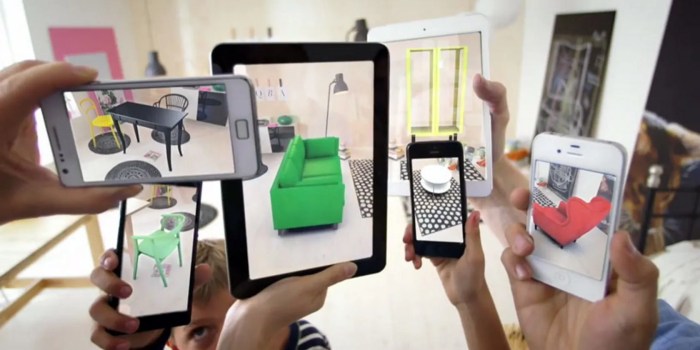
- Product Visualization: Customers appreciate the ability to visualize products in their environment before making a purchase. For example, furniture retailers like IKEA use AR to allow customers to see how a piece of furniture would look in their home.
- Data-Driven Insights: AR tools can collect data on user interactions, providing businesses with valuable insights into consumer preferences and behaviors, which can inform future marketing strategies.
AR in Domestic Services
The application of AR in domestic services enhances home maintenance and service guidance, making it easier for homeowners to manage repairs and renovations. Key tools include:
- AR Maintenance Guides: Visual instructions can be overlaid on appliances, helping users understand how to troubleshoot issues or perform repairs. For instance, an AR app could show step-by-step instructions for fixing a dishwasher.
- Virtual Home Tours: Service providers can utilize AR to create virtual walkthroughs, showcasing maintenance checklists or renovation ideas directly within a user’s living space.
- Interactive Service Booking: AR allows users to visualize the outcomes of various services, like landscaping or interior design, fostering informed decisions before scheduling a service.
AR in Translation Services
In translation services, AR provides real-time language assistance and cultural context, breaking down barriers and facilitating communication in diverse settings. Examples of AR usage include:
- Live Translation Apps: Apps like Google Translate use AR to overlay translations on physical text, such as signs or menus, helping users comprehend foreign languages in real-time.
- Cultural Context Visualization: AR can enhance understanding by providing background information about cultural nuances, making translations more accurate and contextually relevant.
- Interactive Language Learning: Language learning can be augmented through AR experiences that immerse users in virtual environments where they practice speaking and comprehension in context.
AR’s Influence on the Fashion Industry
The fashion industry is undergoing a revolution thanks to AR, particularly in how consumers interact with clothes and shoes. This technology fosters innovation in design and shopping experiences.Prominent applications include:
- Virtual Try-Ons: Retailers like Sephora and Warby Parker offer AR features that allow customers to virtually try on clothes and accessories, reducing the need for physical fittings and returns.
- Design Innovations: Designers use AR to visualize their creations on virtual models, enabling them to experiment with styles and fabrics without the constraints of physical prototypes.
- Enhanced Shopping Experiences: AR applications in stores provide customers with additional product information, styling tips, and personalized recommendations, creating a more engaging shopping journey.
Outcome Summary
In summary, Augmented Reality (AR) Applications are reshaping industries by offering unique solutions that enhance productivity and creativity. As we move forward, the integration of AR into everyday practices will likely continue to grow, providing new opportunities for engagement and innovation across all fields.
Helpful Answers
What industries are most impacted by AR?
Industries like education, healthcare, retail, and manufacturing are significantly impacted by AR, enhancing training, customer engagement, and operational efficiency.
Can AR be used for remote collaboration?
Yes, AR facilitates remote collaboration by allowing users to share and manipulate virtual objects in real-time, making team projects more interactive.
How does AR enhance customer experiences?
AR enhances customer experiences by providing interactive demonstrations, virtual try-ons, and personalized content, leading to higher engagement and satisfaction.
Is AR applicable in everyday household tasks?
Absolutely! AR can assist with home maintenance and service guides, making it easier for users to understand and complete tasks efficiently.
What is the future of AR in business?
The future of AR in business looks promising, with potential advancements in market engagement, product testing, and customer service, driving innovation and growth.


