
Subscription Models have revolutionized the way businesses operate, offering a steady stream of revenue and fostering customer loyalty across various industries.
From transforming employment practices to reshaping traditional publishing, subscription services are becoming central to how consumers engage with brands. This approach not only benefits companies but also enhances the consumer experience through convenience and tailored offerings.
Subscription Models Overview
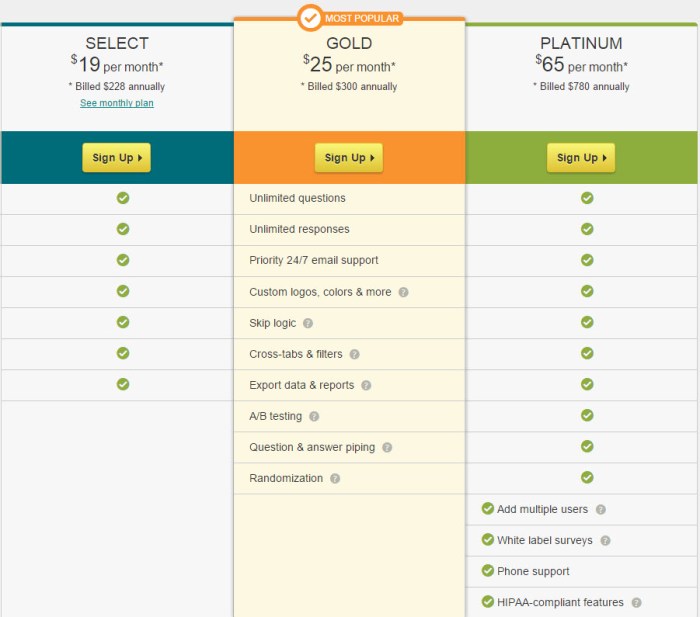
Subscription models have significantly transformed the way businesses engage with customers across various industries. Over the past few decades, this approach has evolved from traditional magazine subscriptions to encompass a wide range of services, including streaming media, software access, and food delivery. The digital age has accelerated this evolution, allowing companies to provide tailored experiences, fostering customer loyalty and recurring revenue streams.Subscription models provide several advantages for businesses, such as predictable revenue, enhanced customer retention, and the ability to gather valuable data on consumer preferences.
However, there are challenges, including the need for continuous value delivery to prevent churn, competition within saturated markets, and pricing strategies that can alienate potential customers. Balancing these factors is crucial for the sustained success of subscription-based businesses.
Benefits and Challenges of Subscription Models
Understanding the benefits and challenges of subscription models is essential for businesses considering this approach. Benefits include:
- Predictable Revenue Streams: Subscription models create a steady income flow, allowing businesses to forecast revenues more accurately.
- Customer Loyalty: Subscribers often exhibit stronger brand loyalty due to their ongoing commitment.
- Data Insights: Regular interactions enable companies to collect valuable data, informing product improvements and marketing strategies.
Challenges include:
- Customer Churn: Retaining subscribers requires continuous value, and failure to do so can lead to high turnover rates.
- Market Saturation: Many industries face stiff competition, making it difficult to stand out and maintain customer interest.
- Pricing Strategies: Setting the right price is critical; too high may deter sign-ups, while too low may undervalue the service.
Examples of Successful Subscription Models
Various sectors have successfully adopted subscription models, demonstrating the versatility of this approach.In the entertainment sector, companies like Netflix have revolutionized how we consume media, providing unlimited streaming for a monthly fee. This model not only attracts a vast number of subscribers but also allows for significant investment in original content.The software industry has also embraced subscription services, with platforms like Adobe Creative Cloud offering access to a suite of design tools for a monthly subscription.
This model has shifted users from purchasing software outright to a flexible, subscription-based access method.In the food and beverage industry, meal kit services like Blue Apron have gained popularity by delivering pre-portioned ingredients and recipes directly to consumers. Subscribers enjoy the convenience of meal preparation without the hassle of grocery shopping.
Subscription models are redefining consumer relationships, creating ongoing interactions that benefit both businesses and customers.
Subscription Models in Employment and Work
The employment landscape is undergoing a significant transformation due to the introduction of subscription models. These models are reshaping how companies hire, manage talent, and engage with freelance workers. As businesses adapt, understanding the implications of these changes is crucial for both employers and employees.The rise of subscription models in employment has led to innovative approaches, particularly in freelance platforms.
These platforms are not just marketplaces for gigs; they have started offering subscription services that change how freelancers and companies interact. This evolution provides flexibility and efficiency, making it easier for businesses to find the right talent without the hassle of traditional hiring processes.
Freelance Platforms and Subscription Services
Freelance platforms have become indispensable in today’s gig economy, and their subscription services often provide a streamlined experience for both freelancers and employers. Here are some key aspects of how these services work:
- Monthly Memberships: Many platforms now offer monthly subscription plans that allow employers to post unlimited job listings and gain access to a pool of vetted freelancers.
- Priority Access: Subscribers often receive priority access to top freelancers, reducing the time spent sifting through applications.
- Built-in Tools: Subscription services frequently include tools for project management, collaboration, and payment processing, simplifying the workflow for both parties.
- Cost Efficiency: Businesses can save money through subscription models by avoiding high fees associated with traditional recruitment agencies.
These features highlight how subscription services can enhance efficiency, foster better relationships, and create a smoother hiring process.
Implementing Subscription-Based Hiring Practices
Companies looking to adopt subscription-based hiring practices can follow several best practices to ensure a successful transition. Here are some strategies that organizations can implement:
- Define Clear Objectives: Establish what the company hopes to achieve with subscription hiring, such as reducing time-to-hire or increasing the quality of candidates.
- Choose the Right Platform: Research and select a freelance platform that aligns with the organization’s needs, budget, and the types of projects being undertaken.
- Train Hiring Teams: Equip HR teams and hiring managers with the knowledge to effectively use the subscription model and leverage the tools available on the platform.
- Monitor and Adjust: Continuously assess the effectiveness of the subscription hiring approach, gathering feedback from both employers and freelancers to make necessary adjustments.
By following these strategies, companies can harness the power of subscription models to stay competitive in the rapidly evolving employment landscape.
“Subscription models in employment enhance flexibility and efficiency, paving the way for a more dynamic and responsive workforce.”
These insights underline how subscription models are not just changing the way freelancers find work but also reshaping the overall employment structure, making it crucial for organizations to adapt to these new trends.
Subscription Models in Publishing and Printing
Subscription models have dramatically transformed the landscape of publishing and printing. By providing readers with access to a diverse range of content for a monthly or annual fee, these models have not only reshaped how consumers engage with literature and media but also altered the financial structures of publishing companies. As the industry adapts to the digital age, subscription services are becoming a central component of how content is delivered and consumed.
Impact of Subscription Models on Traditional Publishing
Traditional publishing has faced significant changes due to the rise of subscription models. With the advent of digital platforms, many publishers have embraced subscriptions to create steady revenue streams and build loyal readerships. These changes have led to several key impacts on the industry:
- Steady Revenue Streams: Subscription models provide predictable income, allowing publishers to better forecast their finances and plan for future projects.
- Increased Accessibility: Readers can access a wide range of materials without the burden of purchasing individual titles, making literature more affordable and appealing.
- Shift in Content Creation: Publishers are now incentivized to create content that meets the diverse interests of subscribers, encouraging experimentation and innovation in writing and themes.
The shift towards subscription models has enabled publishers to focus on quality content that resonates with their audience, fostering a more engaged and loyal readership.
Digital Publishing Adapting Subscription Services
Digital publishing has been particularly nimble in integrating subscription services into its business models. Various platforms have emerged that allow consumers to access vast libraries of content, changing the reading experience and expectations. Some notable adaptations include:
- Unlimited Access Models: Services like Scribd and Kindle Unlimited offer users unlimited access to a library of books and audiobooks for a flat monthly fee.
- Tiered Memberships: Platforms such as Patreon facilitate subscriptions where fans can support authors directly while receiving exclusive content and early access to new works.
- Bundled Offerings: Companies like Apple News+ combine various publications into one subscription, allowing readers to access multiple sources for a single fee.
The evolution of subscription models in digital publishing reflects a broader shift towards convenience, choice, and community support in the reading experience.
Popular Subscription Services in the Publishing Industry
There are several noteworthy subscription services in the publishing industry that exemplify the effectiveness of this model. These services cater to different segments of readers, showcasing the versatility of subscriptions:
- Scribd: Often dubbed the “Netflix for books,” Scribd offers users access to a multitude of e-books, audiobooks, magazines, and more for a monthly fee.
- Kindle Unlimited: Amazon’s subscription service allows users to explore a vast selection of e-books, fostering exploration and reading across genres.
- Patreon: By enabling readers to subscribe to their favorite authors, Patreon has become a powerful platform for independent writers seeking financial support while engaging closely with their audience.
- Apple News+: This service consolidates numerous magazines and newspapers into a single subscription, offering curated content to readers in one place.
These subscription services not only provide convenience to readers but also enable publishers to reach wider audiences and foster direct relationships with their consumers.
Subscription Models in Telecommunications
Telecommunications companies have embraced subscription models to enhance customer retention and adapt to evolving market demands. With the rapid advancement of technology and changes in consumer behavior, these companies have redefined their offerings, making it essential to understand how subscriptions fit into this intricate landscape.Telecom providers have recognized that subscription models are pivotal in creating sustainable revenue streams while offering customers flexible and diverse options.
This approach not only helps in retaining customers but also enables better forecasting of revenue and resource allocation. As consumer preferences continue to shift towards more personalized and data-driven experiences, telecom companies are refining their data plans and subscription offerings to align with these trends and maintain competitiveness in a crowded market.
Utilization of Subscription Models for Customer Retention
Telecom companies employ various strategies through subscription models to improve customer loyalty. By creating attractive packages and services, they aim to reduce churn and enhance the overall user experience. Here are key strategies:
- Flexible Plans: Providers offer customizable plans which allow customers to tailor their subscriptions based on their usage patterns. This flexibility helps in meeting diverse customer needs.
- Bundling Services: Many telecom companies bundle services such as internet, television, and mobile plans into a single subscription. This not only saves costs for consumers but also increases the average revenue per user for providers.
- Loyalty Programs: Telecom companies implement loyalty programs offering rewards such as discounts, exclusive content, or priority customer support, incentivizing customers to remain subscribed long-term.
The Evolution of Data Plans
Data plans have evolved significantly over the years, transitioning from limited, pay-per-use models to expansive, subscription-based offerings. This evolution reflects changing consumer demands for connectivity and data access. Key developments include:
- Unlimited Data Plans: With the rise in streaming services and mobile app usage, many telecom providers now offer unlimited data plans, catering to the growing consumption of data-intensive content.
- Family Plans: Providers recognize the need for shared data among family members and have introduced family plans that allow multiple users to share a pool of data under a single subscription.
- 5G Subscriptions: The rollout of 5G technology has led to the introduction of new subscription models specifically designed to support high-speed data access, appealing to tech-savvy consumers.
Impact of Customer Preferences on Telecom Subscriptions
The future of telecom subscriptions is increasingly shaped by customer preferences, which demand more value and personalization. Providers must adapt to these changing expectations to succeed in a competitive landscape.
- On-Demand Services: Customers prefer on-demand access to content and services, leading to more telecom companies offering subscription models that allow for flexible, usage-based charges.
- Transparency and Simplicity: Consumers are leaning towards plans with straightforward pricing and no hidden fees, which influences how telecom companies structure their subscription offerings.
- Environmental Considerations: As sustainability becomes a priority for many consumers, telecom companies are integrating eco-friendly practices into their subscription models, such as promoting device recycling initiatives.
The shift towards subscription models in telecommunications not only benefits companies in terms of customer retention but also aligns with the modern consumer’s desire for flexibility and transparency. By continuously adapting to these preferences, telecom providers can secure their position in an ever-evolving market.
Subscription Models in Domestic Services
The rise of subscription models has transformed various sectors, and domestic services are no exception. From home cleaning to meal delivery, these models offer convenience, flexibility, and predictability, allowing consumers to access essential services without the hassle of traditional transactional methods. This section delves into how subscription services have emerged in home maintenance and meal delivery, showcasing innovative business models that cater to modern households.
Home Cleaning and Maintenance Services
The emergence of subscription services in home cleaning and maintenance has gained traction as busy lifestyles make it challenging for individuals to maintain their homes. These services typically offer scheduled cleanings, allowing subscribers to enjoy a consistently tidy living space without the stress of managing appointments. Many companies provide tiered subscription plans, catering to different needs and budgets. For instance, a standard plan may include bi-weekly cleanings, while a premium option can offer additional services like carpet cleaning or window washing.
The subscription model not only ensures a steady income for businesses but also builds customer loyalty through regular engagement.
Meal Delivery Services
Subscription models have also revolutionized meal delivery services, providing consumers with a hassle-free way to enjoy home-cooked meals without the time or effort involved in grocery shopping and meal prep. Companies often offer various subscription plans based on dietary preferences, portion sizes, and delivery frequency.These meal kits usually include pre-measured ingredients and easy-to-follow recipes, making cooking accessible even for those with limited culinary skills.
For example, companies like Blue Apron and HelloFresh have successfully leveraged this model, providing diverse meal options that cater to health-conscious consumers and busy families alike. Subscribers enjoy the convenience of having fresh ingredients delivered to their doorstep on a regular basis, enhancing their overall dining experience.
Successful Domestic Service Subscriptions
Numerous companies have successfully adopted subscription models in the domestic service sector, showcasing diverse business strategies tailored to meet consumer demands.
Handy
This platform offers subscription cleaning services, allowing customers to schedule and manage their home cleaning needs easily. Users can select recurring cleaning services, ensuring their homes always remain spotless.
Blue Apron
Known for meal kits, Blue Apron provides subscribers with seasonal recipes and fresh ingredients. Its subscription model is designed for flexibility, allowing users to skip weeks or adjust their plan as needed.
TaskRabbit
This service connects users with local freelancers for various household tasks, from cleaning to handyman services. TaskRabbit’s subscription model allows consumers to book services on a regular basis, creating a streamlined process for managing home maintenance.The integration of subscription models in domestic services continues to evolve, reflecting changing consumer preferences and the growing demand for convenience in everyday life.
Subscription Models in Fashion
The rise of subscription models in the fashion industry has shifted how consumers shop for clothing and accessories. Rather than the traditional retail approach, brands are now offering curated subscription boxes that cater to individual tastes, providing a unique and personalized shopping experience. This model not only appeals to convenience-seeking consumers but also fosters loyalty through tailored offerings.Clothing brands are implementing subscription models by creating flexible subscription plans that allow customers to receive regular deliveries of apparel and footwear.
The service typically includes options for exchanging items, keeping favorites, or returning unwanted pieces, all while maintaining a steady revenue stream for the brands. Notable examples include Stitch Fix, which sends personalized clothing selections based on a customer’s style profile, and Rent the Runway, which allows users to rent high-end fashion pieces for a fraction of the retail price.
Impact of Subscription Boxes on the Fashion Industry
Subscription boxes have transformed the fashion landscape, influencing consumer behavior and industry dynamics. These boxes offer a new way for brands to reach customers, often bypassing traditional retail spaces. The convenience of having curated selections delivered directly to consumers has led to an increase in impulse purchases and a broader customer base. The impact is evident in several key areas:
- Increased Accessibility: Subscription models make it easier for consumers to try new styles without the commitment of purchasing full-price items, attracting those who may be hesitant to shop in-store.
- Sustainability Focus: Many fashion subscriptions emphasize sustainability by offering rental options or promoting second-hand clothing, aligning with growing consumer demand for eco-friendly practices.
- Data-Driven Personalization: Brands utilize data from customer preferences and purchase history to enhance personalization, resulting in higher satisfaction and increased retention rates.
- Brand Loyalty: The subscription model fosters a sense of community and loyalty, with many brands leveraging social media to engage subscribers and create a shared experience.
Subscription boxes allow consumers to explore new styles while enjoying the convenience of home delivery, marking a significant shift in fashion retail.
Customer Retention Strategies within Fashion Subscription Services
Customer retention is crucial for the success of subscription models in fashion. Brands are focusing on various strategies to keep subscribers engaged and satisfied over the long term. These strategies include:
- Flexible Membership Options: Providing different subscription tiers and the ability to pause or cancel subscriptions helps accommodate evolving customer needs.
- Personalized Recommendations: Utilizing AI and data analytics, brands can offer tailored recommendations that resonate with individual subscribers, increasing the likelihood of repeat purchases.
- Exclusive Offers and Discounts: Offering exclusive deals, early access to new collections, and loyalty rewards encourages subscribers to stay committed and engaged with the brand.
- Feedback Mechanisms: Actively seeking feedback through surveys, reviews, and direct communication helps brands adjust their offerings based on subscriber preferences and improve overall satisfaction.
Retention strategies are essential in a competitive market, ensuring that subscription services not only attract but also maintain a loyal customer base.
Subscription Models in Translation Services
With the globalization of businesses and the increasing need for multilingual communication, translation services are evolving to meet demand through innovative subscription pricing models. This shift allows companies to access ongoing translation support without the burden of one-time costs, making it more budget-friendly and efficient for regular use.Many translation service providers are adapting their offerings to include subscription pricing, which enables businesses to manage their translation needs seamlessly.
This model provides an alternative to traditional pay-per-word or project-based pricing, allowing clients to pay a flat fee for a set period. This flexibility ensures that companies can easily scale their translation needs according to their workflow and project volume.
Benefits of Subscription Models for Businesses Needing Ongoing Translation
Subscription models offer numerous advantages to businesses that require consistent translation services. These benefits include:
- Cost Predictability: Subscription pricing allows businesses to budget more effectively as they have a clear understanding of their translation costs over time.
- Access to a Pool of Resources: Subscribers often gain access to a network of professional translators and linguists, ensuring high-quality translations across various languages and specialties.
- Quick Turnaround Times: Ongoing service agreements usually result in faster response times and prioritized projects, enabling businesses to meet tight deadlines.
- Enhanced Collaboration: Subscription models often facilitate better communication between clients and translation teams, fostering a collaborative environment that enhances workflow.
- Flexible Plans: Many providers offer tiered subscription plans, which can be tailored to the specific needs of businesses, accommodating fluctuations in translation volume.
Examples of Platforms Offering Subscription-Based Translation Services
Several platforms have embraced subscription models to cater to the growing need for translation services. These platforms provide diverse services tailored to businesses of various sizes:
- Gengo: Gengo offers a subscription plan that allows businesses to manage translation requests through an easy-to-use interface, with options for both pay-as-you-go and monthly subscriptions to suit different needs.
- Transifex: Geared toward software localization, Transifex provides a subscription model that includes a suite of tools for managing and translating content, ideal for tech companies looking for ongoing support.
- One Hour Translation: This platform offers a subscription service for businesses needing regular translation work, promising fast turnaround and access to a large community of professional translators.
- Straker Translations: Straker offers subscription pricing based on business needs, allowing companies to access a range of translation services without the hassle of individual project pricing.
Subscription Models in Business Creation and Development
Subscription models are revolutionizing how entrepreneurs approach business creation and development. These models provide a steady stream of revenue, enabling startups to plan and scale their operations effectively. By utilizing subscription-based approaches, new ventures can focus on building strong customer relationships and delivering consistent value, which is critical for sustainable growth.Designing a subscription-based business plan requires careful consideration of the target market, pricing strategy, and customer retention tactics.
Entrepreneurs need to think creatively about how to offer value that keeps subscribers engaged over time. This could involve bundling services, offering exclusive content, or creating community-driven experiences that enhance customer loyalty.
Utilization of Subscription Models in New Ventures
Entrepreneurs can leverage subscription models in various ways to enhance their new ventures. Here are some key strategies:
- Value Proposition Development: Clearly defining what unique value your subscription offers can differentiate your business from competitors. This could involve exclusive access to products, services, or content that cannot be found elsewhere.
- Market Research: Understanding your target audience is vital. Researching preferences and behaviors can help in tailoring subscription offerings that resonate with potential customers.
- Flexible Pricing Options: Implementing tiered pricing plans can cater to different customer segments. For instance, providing basic access at a lower price point while offering premium features at a higher tier can attract a wider audience.
- Customer Engagement: Regular communication with subscribers about new offerings, updates, and personalized content fosters a sense of belonging and increases retention rates.
- Feedback Loops: Actively seeking customer feedback on services can guide product development and improvements, ensuring that the subscription remains relevant and valuable.
Scalability of Subscription Models for Startups
One of the primary advantages of subscription models is their inherent scalability, which is crucial for startups aiming for rapid growth. Here are several aspects that illustrate this scalability:
- Recurring Revenue: Subscription-based revenue models provide predictable cash flow, making it easier for startups to forecast financial performance and plan for expansion.
- Automated Processes: Technology can facilitate subscription management, reducing administrative burdens and allowing entrepreneurs to focus more on growth activities.
- Global Reach: Digital platforms enable startups to reach a global audience, allowing them to scale their subscriber base without significant geographical limitations.
- Marketing Efficiency: Subscription models often rely on word-of-mouth and organic growth strategies, reducing the need for large marketing budgets. Happy subscribers often become advocates, driving new sign-ups through referrals.
Designing a Subscription-Based Business Plan
Creating a successful subscription-based business plan involves several critical components. Here’s a framework to guide entrepreneurs:
- Define the Target Market: Identify who your ideal subscribers are and tailor your offerings to meet their specific needs and preferences.
- Artikel Value Delivery: Describe how your subscription will deliver ongoing value, whether through exclusive content, regular product updates, or personalized services.
- Establish Pricing Strategies: Determine a pricing structure that balances affordability for customers with profitability for the business. Consider offering a free trial or introductory pricing to attract initial subscribers.
- Focus on Retention Strategies: Plan for long-term engagement by developing loyalty programs, personalized communications, and regular feedback mechanisms to improve offerings.
- Measure Success: Establish key performance indicators (KPIs) to track subscriber growth, churn rates, and customer satisfaction, allowing for continuous improvement and adaptation of the business model.
Conclusive Thoughts
In summary, Subscription Models are more than just a trend; they represent a fundamental shift in how businesses interact with customers and adapt to changing market demands. As more industries embrace this model, we can expect to see innovative solutions and improved customer satisfaction at every turn.
Essential FAQs
What are the main benefits of subscription models?
They provide predictable revenue, improve customer retention, and foster brand loyalty.
Are subscription models suitable for all businesses?
Not necessarily; businesses must evaluate their target market and operational capabilities.
How can companies effectively market their subscription services?
Utilizing targeted advertising, offering free trials, and showcasing customer testimonials can be effective strategies.
What challenges do businesses face with subscription models?
Challenges include managing churn rates, maintaining service quality, and balancing customer acquisition costs.
How can startups benefit from subscription models?
Startups can achieve scalability and steady revenue, making it easier to fund growth and innovation.


